Saving and Budgeting for your Holiday
When planning a holiday, one of the most crucial steps is to establish a well-defined budget. To do this effectively, it’s essential to first determine your destination, the duration of your stay, and the experiences you hope to enjoy while you’re there. Are you dreaming of exploring historical sites, lounging on a beach, or indulging in local cuisine? Knowing these details will help shape your financial plan.
Personally, I find great joy in planning my trips well ahead of time. There’s something thrilling about mapping out every detail, from accommodations to activities. I love engaging in conversations with my travel companions, brainstorming what adventures we want to embark on together. This collaborative approach not only enhances our travel experience but also ensures that everyone’s preferences are considered, leading to a more enjoyable and memorable holiday for all involved. Whether it’s deciding on must-see attractions or hidden gems off the beaten path, the planning process becomes a cherished part of our journey, full of anticipation and excitement.


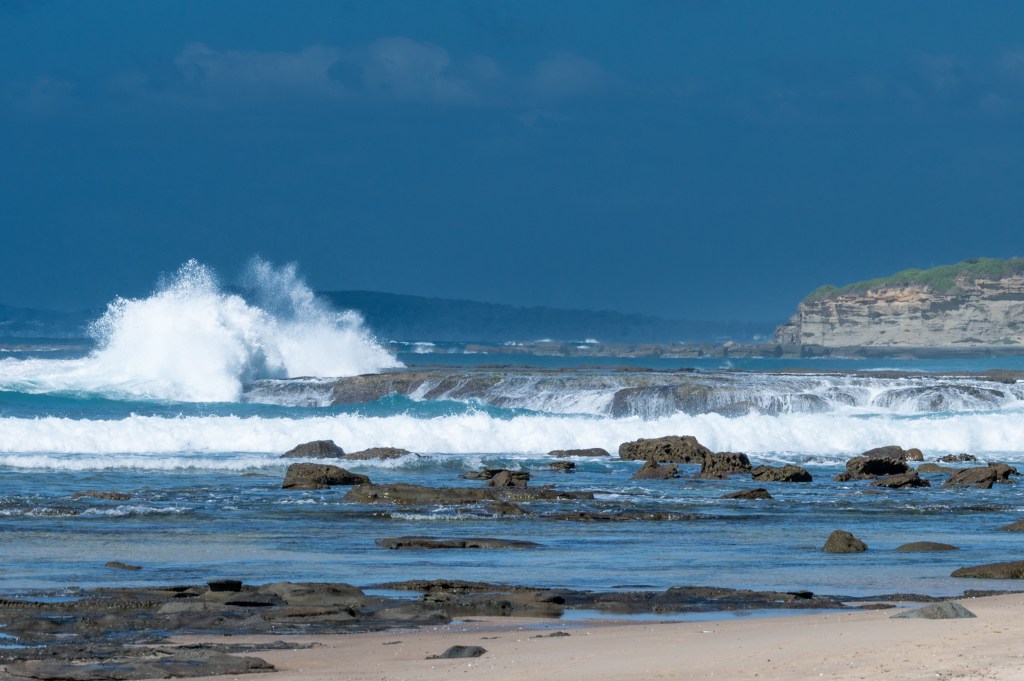
Once you’ve pinpointed your destination and outlined the nature of your adventure, the next crucial step is to establish a budget that will ensure your experience is nothing short of fantastic. Take a moment to consider whether this journey will lean towards the economical side or if you’re planning to indulge in a more lavish experience.
Are you envisioning a trip where you can savor every moment without worrying about expenses, or are you aiming to stretch your dollars as far as they can go, seeking out hidden gems and budget-friendly activities? Reflect on how much money you believe you’ll require in your account to feel comfortable and fully enjoy your time away.
Additionally, it’s essential to discuss finances with your travel companions. What is their budget, and how does it align with yours? This conversation can help you avoid potential conflicts and ensure that everyone is on the same page. By collaboratively setting a budget, you can also explore ways to maximise your travel experience—whether that means splitting costs on accommodations, sharing meals, or finding group discounts for activities.
Ultimately, the goal is to create a plan that allows all of you to enjoy the trip to the fullest without financial stress overshadowing your adventure. So, take the time to crunch the numbers, explore your options, and ensure that your financial strategy aligns with the unforgettable memories you aim to create on your journey!
Tip: We maintain a travel account where a portion of our salary is automatically deposited each week or every two weeks. By doing this year-round, we ensure that when we choose to go on a holidays, we’re already ahead in our budgeting and don’t have to start from scratch during the planning phase.
Be sure to check out my blog on Top Tips for Picking Perfect Travel Buddies You’ll Enjoy — discover who makes the best travel companions!
Things to think about when planning
Where to Save Money
1. Cancel Unused Subscriptions: Consider terminating subscriptions that you no longer use, such as gym memberships and paid TV services.
2. Plan Ahead: Begin planning your trips well in advance. I typically start at the beginning of the year by reviewing all my necessary expenses. This helps me determine how much I want to pay off and clear my debts by specific dates. By doing this, I can travel without the stress of outstanding payments, allowing me to redirect those funds into my travel account.
3. Set Travel Goals: I outline the holidays I want to take throughout the year and conduct quick research to estimate the costs. Then, I allocate a percentage of my salary to my travel account based on my findings and preferred travel dates.
4. Ongoing Research: As I redirect my funds, I continuously research deals, activities, flights, and accommodations over several months. This iterative process allows me to seize great deals when they arise. Because I’ve already saved money in my travel account, I can make immediate payments when I find a valuable offer, all while my salary continues to contribute to my savings.
5. Be Mindful of Seasonal Costs: Keep in mind that certain times of the year, such as holidays and peak seasons, may lead to higher costs. Be prepared to adjust your savings goals accordingly.
Costs to Consider for Your Trip
- Flights: Flights can be one of your biggest expenses. Consider using websites like Webjet or booking directly through airline companies to find the best deals. It’s advisable to book early, especially once you have set your travel dates.
- Accommodation: Accommodation is another significant cost. Look into platforms such as Trivago, Webjet, Booking.com, and Hotelscombined.com to compare prices and find suitable lodging. Tip: Remember to use Google Maps to determine the location of your accommodation in relation to your planned activities. For instance, staying two hours away from the attractions you want to visit in order to save money might not be practical, as the travel costs could end up being higher.
- Travel Insurance: It’s wise to secure travel insurance as soon as you book your flight. This will help protect your trip investment.
- In-Country Transport Costs: Consider your transportation options within the destination. Will you rent a vehicle, take a train, boat, or internal flights? Factor these costs into your budget.
- Tour Deals: Research available tours in the region you plan to visit. This can enhance your experience and help you budget accordingly. Look at Tripadvisor or Viator.
- Entry Visas: Check the visa requirements for the country you’re visiting. Sometimes there are associated costs, so it’s best to check early to incorporate these into your budget. Also, stay updated on health and security advice via the SmartTraveller site.
- Current Passport: Ensure your passport has at least six months of validity remaining before it expires. It’s a good idea to check with your country’s passport authority regarding application or renewal procedures.
- Vaccinations: Review the latest health recommendations, including necessary vaccinations. The Department of Foreign Affairs and Trade provides a comprehensive resource at smartraveller.gov.au to help you plan your health needs.
- Spending Money: I recommend using a travel card that allows you to load different currencies. There are many options available, so review them to find one that suits you. Additionally, carrying $100-$500 AUD in local currency can be handy upon arrival. Some of my friends carry a lot more so it really depends on what you are comfortable with.
- **Note Bank Details: When traveling, it’s wise to inform your bank about your plans, including the countries you will be visiting. This helps prevent your cards from being blocked while you’re abroad.
- Make sure to conduct your own research on the country or countries you plan to visit. Create a list of what you will need before your trip, including all the attractions and activities you’d like to experience. This information can help you with your budgeting.
In conclusion, saving and budgeting for your holiday is essential for ensuring a stress-free and enjoyable experience. By taking the time to plan your trip, establish a clear budget, and communicate with your travel companions, you can create unforgettable memories without the burden of financial worries. Now is the perfect time to start your planning!
Take action today by setting up a travel account, researching your destination, and discussing budgets with your travel partners. The earlier you begin, the more prepared you’ll be to enjoy every moment of your adventure. For more insights and tips, don’t forget to check out my blog on Top Tips for Picking Perfect Travel Buddies You’ll Enjoy—discover who makes the best travel companions for your next journey!
Happy travels!
 The Wise Wanderer
Leave a comment